
Why free-choice camps build confidence
Parents often ask why free-choice camps build creative confidence and what makes them different from traditional programs. The answer is rooted in autonomy, belonging, and meaningful exploration.
At Med-o-lark, our free-choice summer camp model is designed around one core belief. When children are trusted to make real decisions in a supportive environment, they grow into capable, confident, and creative individuals.
Free choice is not a lack of structure. It is intentional, guided freedom that supports creative confidence in children through ownership and experiential learning.
What Is Creative Confidence in Children
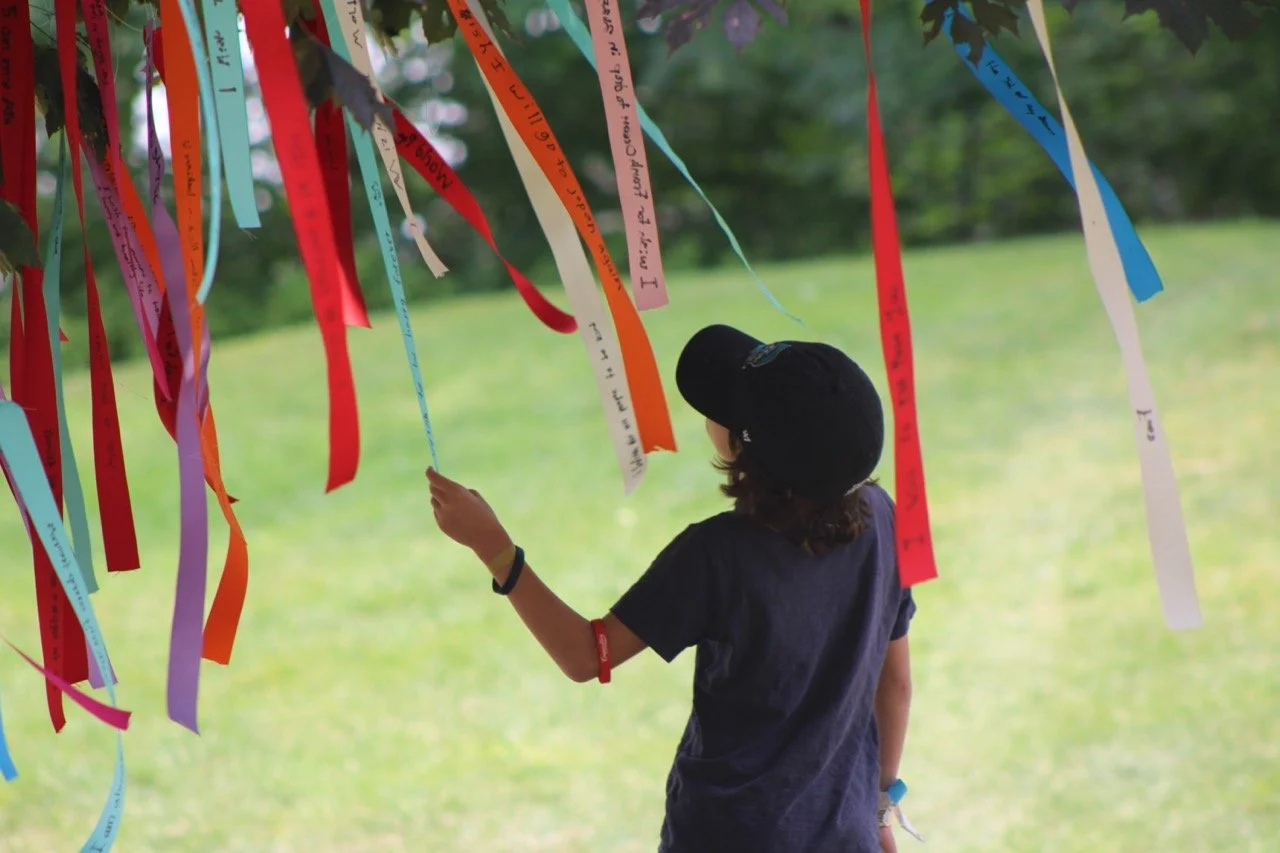
Creative confidence in children is the belief that they can think independently, solve problems, generate ideas, and express themselves without fear of failure. It is not about artistic talent alone. It is about trusting one’s own voice and abilities.
Building confidence in kids requires more than praise. It requires experiences where children:
Make meaningful choices
Take manageable risks
Reflect on growth
Feel supported by mentors and peers
A free-choice summer camp creates the ideal setting for these experiences.
Why Free-Choice Camps Build Creative Confidence
1. Child-Led Learning Creates Ownership
In a child-led learning environment, children are active participants in shaping their day. Instead of following a fixed schedule, campers choose their activities based on curiosity and interest.
This is the heart of a choice-based camp. When a child selects woodworking, theater, baking, nature exploration, or visual arts, they are making a personal commitment. That commitment leads to deeper engagement.
Ownership increases motivation. Motivation leads to skill development. Skill development leads to genuine confidence.
This is one of the primary reasons why free choice camps build creative confidence so effectively.
2. Experiential Learning Strengthens Real-World Skills
Experiential learning means learning by doing. Children do not simply listen to instructions. They actively create, experiment, and problem-solve.
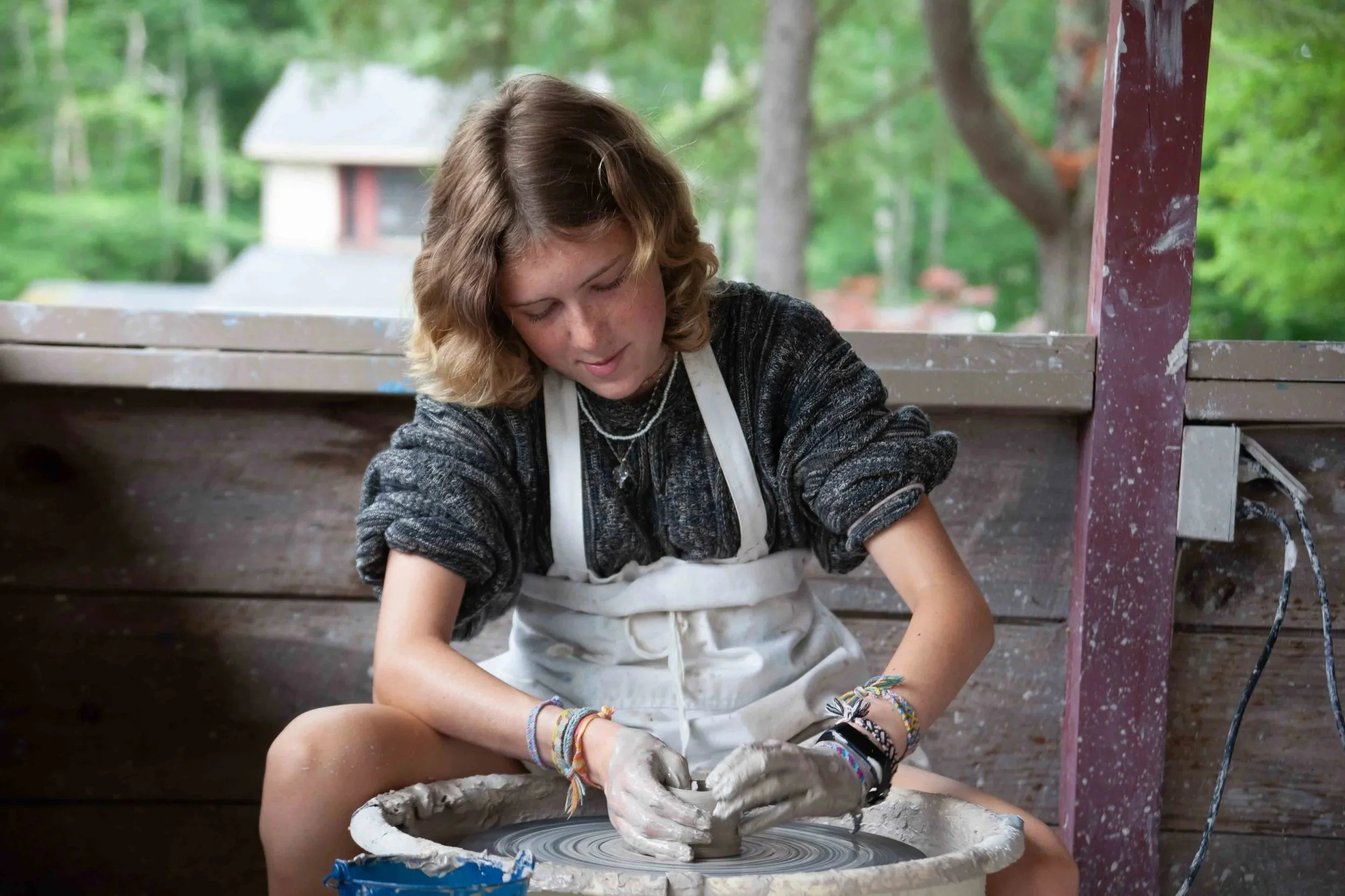
At a free-choice summer camp, experiential learning happens every day. A camper building a project must plan, adjust, and troubleshoot. A child collaborating in a creative group must communicate and adapt.
These hands-on experiences build resilience and competence. When children see that they can navigate challenges, their creative confidence grows naturally.
3. Freedom Encourages Healthy Risk Taking
Creative growth requires risk-taking. Children must feel safe enough to try something new, even if they are unsure of the outcome.
In a choice-based camp, the environment encourages exploration without pressure. If something does not feel like the right fit, a camper can make a new choice. This flexibility reduces fear and supports persistence.
Over time, children begin to trust themselves. That trust is the foundation of creative confidence in children.
4. Decision Making Builds Independence
Every day in a free-choice summer camp includes decision-making. What activity should I choose? Should I continue this project? Do I want to try something different?
These decisions build executive functioning skills, time management, and self-awareness. Children learn to evaluate options and reflect on what feels meaningful.
Building confidence in kids requires opportunities to practice independence within a safe structure. A thoughtfully designed choice-based camp offers exactly that balance.
5. Belonging Accelerates Confidence
Creative confidence does not develop in isolation. It grows in community.
In a child-led learning environment, children naturally connect with peers who share their interests. Working alongside others who chose the same activity fosters collaboration and mutual encouragement.
When children feel seen and valued, they are more willing to take creative risks. A strong sense of belonging reinforces their belief in themselves.
The Long Term Impact of a Free Choice Summer Camp
The benefits of a free choice summer camp extend far beyond the summer months.
Children who experience child led learning and experiential learning are more likely to:
Speak up with ideas
Approach challenges with curiosity
Adapt to new situations
Persist through difficulty
Trust their own creative thinking
Creative confidence in children supports academic growth, social development, and emotional resilience. It shapes how they see themselves in the world.
Why This Model Works
If you are searching for why free choice camps build creative confidence, the answer is clear. When children are given meaningful choices within a supportive and structured environment, they develop ownership, resilience, and independence.
A choice based camp model empowers children to explore widely and dive deeply. Through experiential learning and child led learning, they discover not only new skills, but also their own capabilities.
At Med-o-lark, we see the results every day. When children are trusted with choice, supported by caring mentors, and surrounded by a creative community, confidence grows naturally.
And that confidence lasts.